
Vestibular Test for Vertigo
Vestibular Test for Vertigo
Vestibular Test for Vertigo
Vertigo is a sensation of spinning, unsteadiness, or feeling that the surroundings are moving when they are not. It may occur because of problems involving the inner ear, vestibular system, nerves, or brain. A vestibular test for vertigo helps evaluate how well the balance system is functioning and can assist in identifying the possible cause of dizziness and balance-related symptoms.
At a specialized ENT and vertigo centre, vestibular evaluation is performed using appropriate diagnostic tests based on the patient's symptoms and clinical history. These tests help assess the inner ear and balance pathways and provide useful information for further treatment planning.
What Is a Vestibular Test?
A vestibular test is a group of diagnostic assessments used to evaluate the vestibular system, which plays an important role in maintaining balance, spatial orientation, and stable vision during movement.
When this system does not function properly, a person may experience:
-
Spinning or rotational sensations
-
Dizziness or light-headedness
-
Loss of balance
-
Unsteadiness while walking
-
Nausea or vomiting
-
Difficulty maintaining balance in the dark
-
Blurred or unstable vision during movement
-
Recurrent episodes of vertigo
A vestibular test for vertigo can help determine whether symptoms may be associated with an inner-ear or balance-system disorder.
Why Is Vestibular Testing Done?
Vertigo can have several possible causes, and symptoms alone may not always identify the underlying problem. Vestibular testing provides objective information about balance function and may help an ENT or vertigo specialist understand the source of symptoms.
Testing may be recommended for people experiencing:
-
Recurrent vertigo
-
Unexplained dizziness
-
Frequent imbalance
-
Sudden episodes of spinning
-
Motion-related dizziness
-
Balance problems while walking
-
Symptoms associated with certain head movements
-
Dizziness accompanied by hearing changes or tinnitus
The specific tests required depend on the individual's symptoms, medical history, examination findings, and suspected condition.
What Does Vestibular Testing Assess?
The vestibular system consists primarily of structures within the inner ear that detect head movement and help the brain maintain balance. Vestibular evaluation may assess different aspects of this system, including:
Inner Ear Balance Function
Certain vestibular tests evaluate how the balance organs of the inner ear respond to different types of stimulation.
Eye Movements
The eyes and vestibular system work closely together. Abnormal eye movements, including certain forms of nystagmus, can provide useful diagnostic information.
Head and Body Movement Responses
Some assessments examine how balance changes with specific head or body movements. This can help identify patterns associated with positional vertigo and other vestibular conditions.
Balance Coordination
Some tests evaluate how effectively the body maintains stability under different conditions.
Common Vestibular Tests for Vertigo
Depending on the clinical requirement, a vestibular evaluation may include one or more diagnostic assessments.
Videonystagmography (VNG)
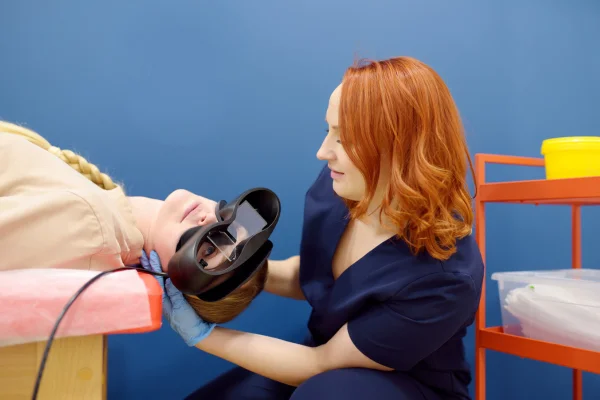
VNG records eye movements using specialized video technology. It can help assess the relationship between eye movement and vestibular function and may be used during positional and other vestibular assessments.
Caloric Test
A caloric test evaluates the response of the inner-ear balance organs to controlled temperature stimulation. Differences between the responses of the two ears may provide useful information about vestibular function.
Dix-Hallpike Test
The Dix-Hallpike manoeuvre is commonly used when benign paroxysmal positional vertigo (BPPV) is suspected. The clinician observes eye movements and symptoms following specific changes in head and body position.
Head Impulse Test
The head impulse test evaluates the vestibulo-ocular reflex, which helps keep vision stable when the head moves. It may provide information about the function of the semicircular canals.
Posturography
Posturography evaluates how effectively a person maintains balance under different sensory conditions. It can help assess the interaction between vision, sensation, and vestibular information.
How Is a Vestibular Test Performed?
The exact procedure depends on the type of vestibular assessment being performed. Before testing, the specialist may ask about your symptoms, previous episodes of vertigo, medications, hearing problems, and relevant medical history.
During the assessment, you may be asked to:
-
Follow moving visual targets
-
Change your head or body position
-
Move your eyes in different directions
-
Stand or maintain balance under specific conditions
-
Respond to controlled vestibular stimulation
Some tests can temporarily reproduce dizziness or vertigo. This is generally expected during certain vestibular assessments and allows the specialist to observe the body's response.
Is Vestibular Testing Safe?
Vestibular testing is generally considered safe when performed under appropriate clinical supervision. Some people may experience temporary dizziness, nausea, imbalance, or a spinning sensation during particular tests.
The healthcare professional performing the assessment can explain the procedure beforehand and take appropriate precautions according to the patient's condition.
Preparing for a Vestibular Test
Preparation depends on the specific test being performed. Your healthcare provider may provide instructions regarding medications, food, alcohol, caffeine, or other factors that could influence testing.
It is important to inform the specialist about:
-
Current medications
-
Previous ear conditions or surgeries
-
Hearing problems
-
Recent episodes of severe dizziness
-
Neurological conditions
-
Previous vestibular testing
Follow the preparation instructions provided by your healthcare professional for the most reliable evaluation.
Who May Need a Vestibular Test for Vertigo?
Vestibular assessment may be considered for adults or children with persistent or recurrent balance-related symptoms when a detailed evaluation is clinically appropriate.
It may be particularly useful when dizziness is:
-
Recurrent or unexplained
-
Triggered by head movement
-
Associated with imbalance
-
Accompanied by hearing symptoms
-
Affecting daily activities
-
Not adequately explained by an initial examination
The need for testing should be determined by an appropriately qualified healthcare professional.
Understanding Your Vestibular Test Results
Vestibular test results should be interpreted along with your symptoms, clinical examination, hearing evaluation, and medical history. An abnormal result does not necessarily identify one specific condition by itself.
Depending on the findings, your specialist may recommend additional evaluation, hearing tests, imaging, vestibular rehabilitation, positional treatment, medication, or referral to another specialist.
The goal is to understand the pattern of vestibular dysfunction and develop an appropriate treatment plan based on the underlying cause.
Vestibular Test for Vertigo and Comprehensive Balance Care
Accurate evaluation is an important step in managing recurrent vertigo and dizziness. A vestibular test for vertigo provides objective information about the balance system and can support the diagnostic process.
If you experience repeated spinning sensations, unexplained dizziness, imbalance, or symptoms triggered by movement, a detailed vestibular assessment can help your specialist investigate the possible cause and determine the next appropriate step in care.
Frequently Asked Questions
1. What is a vestibular test for vertigo?
A vestibular test is a group of assessments used to evaluate the inner-ear balance system, eye movements, and coordination involved in maintaining balance.
2. Why is vestibular testing needed for vertigo?
It may be recommended to investigate recurrent, unexplained, or movement-related dizziness and to assess whether the vestibular system is contributing to the symptoms.
3. Is vestibular testing painful?
Most vestibular tests are non-invasive. Some assessments may temporarily cause dizziness, nausea, or a spinning sensation while the balance system is being evaluated.
4. How long does vestibular testing take?
The duration varies depending on which tests are required. A simple assessment may be relatively short, while a comprehensive vestibular evaluation can take longer.
5. Can vestibular testing diagnose BPPV?
Certain vestibular assessments, particularly positional tests such as the Dix-Hallpike manoeuvre, can help identify patterns consistent with BPPV.


