
Book an Appointment
Sleep Endoscopy
Sleep Endoscopy
Sleep endoscopy is a specialised examination used to assess the upper airway during a controlled sleep-like state. It is particularly useful in the evaluation of patients with obstructive sleep apnea when the ENT specialist needs to understand where and how the airway is becoming narrowed or blocked during sleep. Obstructive sleep apnea occurs when the upper airway repeatedly becomes partially or completely obstructed during sleep, leading to disrupted breathing. The location and pattern of obstruction can vary considerably between individuals.
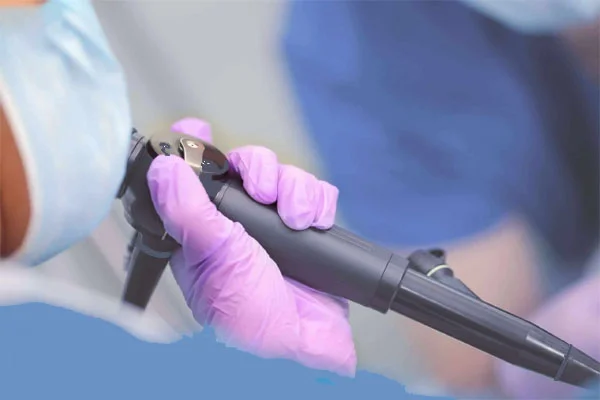
During sleep endoscopy, a flexible endoscope is carefully introduced through the nose to allow the specialist to observe the nose, throat, soft palate, tongue base, and other upper-airway structures while the patient is in a medically controlled sleep-like state. This can provide information that may not be apparent when the patient is awake. The examination may be considered when symptoms or previous assessments indicate obstructive sleep apnea and a more detailed understanding of the airway is needed, particularly when planning selected treatment options.
Sleep endoscopy may help identify whether obstruction is occurring primarily at the level of the soft palate, tongue base, lateral throat walls, or multiple areas. The examination is performed in a controlled medical setting with appropriate monitoring. Because the patient is placed into a sleep-like state using medication, preparation and observation are required before and after the examination. Sleep endoscopy is not the same as a sleep study. A polysomnography or other sleep study evaluates breathing, oxygen levels, sleep patterns, and other physiological parameters during sleep, while sleep endoscopy focuses specifically on observing the upper airway and identifying the physical pattern of obstruction.
The information obtained from sleep endoscopy may help the specialist understand the structural factors contributing to airway blockage and determine which treatment options may be appropriate. It is generally used as an additional assessment rather than a replacement for a formal diagnosis of sleep apnea. Overall, sleep endoscopy can provide valuable information about the dynamic behaviour of the upper airway and may help guide individualised management in selected patients with obstructive sleep apnea.
Get In Touch
Tags
- ENT Care Centre
- ENT Care Centre Vikaspuri
- Best ENT Care Centre in Vikaspuri
- Best ENT Care Centre in Janakpuri
- Best ENT Care Centre in Uttam Nagar
- Best ENT Care Centre in Tilak Nagar
- Best ENT Care Centre in Dwarka Mor
- Best ENT Care Centre in Dabri Mor
- Best ENT Care Centre in Fateh Nagar
- Best ENT Care Centre in Subhash Nagar
- Best ENT Care Centre in Vikaspuri
- ENT Car Centre in Vikaspuri
- ENT Car Centre in Janakpuri
- ENT Car Centre in Uttam Nagar
- ENT Car Centre in Tilak Nagar
- ENT Car Centre in Dwarka Mor
- ENT Car Centre in Dabri Mor
- ENT Car Centre in Fateh Nagar
- ENT Car Centre in Subhash Nagar
- Best ENT Surgeon in Vikaspuri
- Best ENT Surgeon in Janakpuri
- Best ENT Surgeon in Uttam Nagar
- Best ENT Surgeon in Tilak Nagar
- Best ENT Surgeon in Dwarka Mor
- Best ENT Surgeon in Dabri Mor
- Best ENT Surgeon in Fateh Nagar
- Best ENT Surgeon in Subhash Nagar
- Allergy Treatment Specialist in Vikaspuri
- Allergy Treatment Specialist in Janakpuri
- Allergy Treatment Specialist in Uttam Nagar
- Allergy Treatment Specialist in Tilak Nagar
- Allergy Treatment Specialist in Dwarka Mor
- Allergy Treatment Specialist in Dabri Mor
- Allergy Treatment Specialist in Fateh Nagar
- Allergy Treatment Specialist in Subhash Nagar
- Vertigo Treatment Specialist in Vikaspuri
- Vertigo Treatment Specialist in Janakpuri
- Vertigo Treatment Specialist in Uttam Nagar
- Vertigo Treatment Specialist in Tilak Nagar
- Vertigo Treatment Specialist in Dwarka Mor
- Vertigo Treatment Specialist in Dabri Mor
- Vertigo Treatment Specialist in Fateh Nagar
- Vertigo Treatment Specialist in Subhash Nagar
- Asthma Management in Vikaspuri
- Asthma Management in Janakpuri
- Asthma Management in Uttam Nagar
- Asthma Management in Tilak Nagar
- Asthma Management in Dwarka Mor
- Asthma Management in Dabri Mor
- Asthma Management in Fateh Nagar
- Asthma Management in Subhash Nagar
- Tinnitus Management in Vikaspuri
- Tinnitus Management in Janakpuri
- Tinnitus Management in Uttam Nagar
- Tinnitus Management in Tilak Nagar
- Tinnitus Management in Dwarka Mor
- Tinnitus Management in Dabri Mor
- Tinnitus Management in Fateh Nagar
- Tinnitus Management in Subhash Nagar
- Ear Wax Removal in Vikaspuri
- Ear Wax Removal in Janakpuri
- Ear Wax Removal in Uttam Nagar
- Ear Wax Removal in Tilak Nagar
- Ear Wax Removal in Dwarka Mor
- Ear Wax Removal in Dabri Mor
- Ear Wax Removal in Fateh Nagar
- Ear Wax Removal in Subhash Nagar
- Ear Pain Treatment in Vikaspuri
- Ear Pain Treatment in Janakpuri
- Ear Pain Treatment in Uttam Nagar
- Ear Pain Treatment in Tilak Nagar
- Ear Pain Treatment in Dwarka Mor
- Ear Pain Treatment in Dabri Mor
- Ear Pain Treatment in Fateh Nagar
- Ear Pain Treatment in Subhash Nagar
- Hearing Loss Treatment in Vikaspuri
- Hearing Loss Treatment in Janakpuri
- Hearing Loss Treatment in Uttam Nagar
- Hearing Loss Treatment in Tilak Nagar
- Hearing Loss Treatment in Dwarka Mor
- Hearing Loss Treatment in Dabri Mor
- Hearing Loss Treatment in Fateh Nagar
- Hearing Loss Treatment in Subhash Nagar
- Allergic Rhinitis Treatment in Vikaspuri
- Allergic Rhinitis Treatment in Janakpuri
- Allergic Rhinitis Treatment in Uttam Nagar
- Allergic Rhinitis Treatment in Tilak Nagar
- Allergic Rhinitis Treatment in Dwarka Mor
- Allergic Rhinitis Treatment in Dabri Mor
- Allergic Rhinitis Treatment in Fateh Nagar
- Allergic Rhinitis Treatment in Subhash Nagar
- Oral Ulcer Treatment in Vikaspuri
- Oral Ulcer Treatment in Janakpuri
- Oral Ulcer Treatment in Uttam Nagar
- Oral Ulcer Treatment in Tilak Nagar
- Oral Ulcer Treatment in Dwarka Mor
- Oral Ulcer Treatment in Dabri Mor
- Oral Ulcer Treatment in Fateh Nagar
- Oral Ulcer Treatment in Subhash Nagar
- Obstructive Sleep Apnea Treatment in Vikaspuri
- Obstructive Sleep Apnea Treatment in Janakpuri
- Obstructive Sleep Apnea Treatment in Uttam Nagar
- Obstructive Sleep Apnea Treatment in Tilak Nagar
- Obstructive Sleep Apnea Treatment in Dwarka Mor
- Obstructive Sleep Apnea Treatment in Dabri Mor
- Obstructive Sleep Apnea Treatment in Fateh Nagar
- Obstructive Sleep Apnea Treatment in Subhash Nagar
- Oral Cancer Screening in Vikaspuri
- Oral Cancer Screening in Janakpuri
- Oral Cancer Screening in Uttam Nagar
- Oral Cancer Screening in Tilak Nagar
- Oral Cancer Screening in Dwarka Mor
- Oral Cancer Screening in Dabri Mor
- Oral Cancer Screening in Fateh Nagar
- Oral Cancer Screening in Subhash Nagar
- Neck Swelling Treatment in Vikaspuri
- Neck Swelling Treatment in Janakpuri
- Neck Swelling Treatment in Uttam Nagar
- Neck Swelling Treatment in Tilak Nagar
- Neck Swelling Treatment in Dwarka Mor
- Neck Swelling Treatment in Dabri Mor
- Neck Swelling Treatment in Fateh Nagar
- Neck Swelling Treatment in Subhash Nagar
- Otoscopy in Vikaspuri
- Otoscopy in Janakpuri
- Otoscopy in Uttam Nagar
- Otoscopy in Tilak Nagar
- Otoscopy in Dwarka Mor
- Otoscopy in Dabri Mor
- Otoscopy in Fateh Nagar
- Otoscopy in Subhash Nagar
- Hearing Test Centre in Vikaspuri
- Hearing Test Centre in Janakpuri
- Hearing Test Centre in Uttam Nagar
- Hearing Test Centre in Tilak Nagar
- Hearing Test Centre in Dwarka Mor
- Hearing Test Centre in Dabri Mor
- Hearing Test Centre in Fateh Nagar
- Hearing Test Centre in Subhash Nagar
- Nasal Endoscopy in Vikaspuri
- Nasal Endoscopy in Janakpuri
- Nasal Endoscopy in Uttam Nagar
- Nasal Endoscopy in Tilak Nagar
- Nasal Endoscopy in Dwarka Mor
- Nasal Endoscopy in Dabri Mor
- Nasal Endoscopy in Fateh Nagar
- Nasal Endoscopy in Subhash Nagar
- Allergy Testing in Vikaspuri
- Allergy Testing in Janakpuri
- Allergy Testing in Uttam Nagar
- Allergy Testing in Tilak Nagar
- Allergy Testing in Dwarka Mor
- Allergy Testing in Dabri Mor
- Allergy Testing in Fateh Nagar
- Allergy Testing in Subhash Nagar
- Tinnitus Matching in Vikaspuri
- Tinnitus Matching in Janakpuri
- Tinnitus Matching in Uttam Nagar
- Tinnitus Matching in Tilak Nagar
- Tinnitus Matching in Dwarka Mor
- Tinnitus Matching in Dabri Mor
- Tinnitus Matching in Fateh Nagar
- Tinnitus Matching in Subhash Nagar
- Tinnitus Retraining Therapy in Vikaspuri
- Tinnitus Retraining Therapy in Janakpuri
- Tinnitus Retraining Therapy in Uttam Nagar
- Tinnitus Retraining Therapy in Tilak Nagar
- Tinnitus Retraining Therapy in Dwarka Mor
- Tinnitus Retraining Therapy in Dabri Mor
- Tinnitus Retraining Therapy in Fateh Nagar
- Tinnitus Retraining Therapy in Subhash Nagar
- Sleep Endoscopy in Vikaspuri
- Sleep Endoscopy in Janakpuri
- Sleep Endoscopy in Uttam Nagar
- Sleep Endoscopy in Tilak Nagar
- Sleep Endoscopy in Dwarka Mor
- Sleep Endoscopy in Dabri Mor
- Sleep Endoscopy in Fateh Nagar
- Sleep Endoscopy in Subhash Nagar
- Foreign Body Removal in Vikaspuri
- Foreign Body Removal in Janakpuri
- Foreign Body Removal in Uttam Nagar
- Foreign Body Removal in Tilak Nagar
- Foreign Body Removal in Dwarka Mor
- Foreign Body Removal in Dabri Mor
- Foreign Body Removal in Fateh Nagar
- Foreign Body Removal in Subhash Nagar
- Ear Polyp Removal Surgery in Vikaspuri
- Ear Polyp Removal Surgery in Janakpuri
- Ear Polyp Removal Surgery in Uttam Nagar
- Ear Polyp Removal Surgery in Tilak Nagar
- Ear Polyp Removal Surgery in Dwarka Mor
- Ear Polyp Removal Surgery in Dabri Mor
- Ear Polyp Removal Surgery in Fateh Nagar
- Ear Polyp Removal Surgery in Subhash Nagar
- Ear Piercing Surgery in Vikaspuri
- Ear Piercing Surgery in Janakpuri
- Ear Piercing Surgery in Uttam Nagar
- Ear Piercing Surgery in Tilak Nagar
- Ear Piercing Surgery in Dwarka Mor
- Ear Piercing Surgery in Dabri Mor
- Ear Piercing Surgery in Fateh Nagar
- Ear Piercing Surgery in Subhash Nagar
- Tongue Tie Release Surgery in Vikaspuri
- Tongue Tie Release Surgery in Janakpuri
- Tongue Tie Release Surgery in Uttam Nagar
- Tongue Tie Release Surgery in Tilak Nagar
- Tongue Tie Release Surgery in Dwarka Mor
- Tongue Tie Release Surgery in Dabri Mor
- Tongue Tie Release Surgery in Fateh Nagar
- Tongue Tie Release Surgery in Subhash Nagar
- Biopsy of Oral Ulcer in Vikaspuri
- Biopsy of Oral Ulcer in Janakpuri
- Biopsy of Oral Ulcer in Uttam Nagar
- Biopsy of Oral Ulcer in Tilak Nagar
- Biopsy of Oral Ulcer in Dwarka Mor
- Biopsy of Oral Ulcer in Dabri Mor
- Biopsy of Oral Ulcer in Fateh Nagar
- Biopsy of Oral Ulcer in Subhash Nagar
- Tonsil Stone Removal Surgery in Vikaspuri
- Tonsil Stone Removal Surgery in Janakpuri
- Tonsil Stone Removal Surgery in Uttam Nagar
- Tonsil Stone Removal Surgery in Tilak Nagar
- Tonsil Stone Removal Surgery in Dwarka Mor
- Tonsil Stone Removal Surgery in Dabri Mor
- Tonsil Stone Removal Surgery in Fateh Nagar
- Tonsil Stone Removal Surgery in Subhash Nagar
- Nasal Foreign Body Removal Surgery in Vikaspuri
- Nasal Foreign Body Removal Surgery in Janakpuri
- Nasal Foreign Body Removal Surgery in Uttam Nagar
- Nasal Foreign Body Removal Surgery in Tilak Nagar
- Nasal Foreign Body Removal Surgery in Dwarka Mor
- Nasal Foreign Body Removal Surgery in Dabri Mor
- Nasal Foreign Body Removal Surgery in Fateh Nagar
- Nasal Foreign Body Removal Surgery in Subhash Nagar
- Nasal Bleeding Polyp Removal Surgery in Vikaspuri
- Nasal Bleeding Polyp Removal Surgery in Janakpuri
- Nasal Bleeding Polyp Removal Surgery in Uttam Nagar
- Nasal Bleeding Polyp Removal Surgery in Tilak Nagar
- Nasal Bleeding Polyp Removal Surgery in Dwarka Mor
- Nasal Bleeding Polyp Removal Surgery in Dabri Mor
- Nasal Bleeding Polyp Removal Surgery in Fateh Nagar
- Nasal Bleeding Polyp Removal Surgery in Subhash Nagar
- Tymplanoplasty Surgery in Vikaspuri
- Tymplanoplasty Surgery in Janakpuri
- Tymplanoplasty Surgery in Uttam Nagar
- Tymplanoplasty Surgery in Tilak Nagar
- Tymplanoplasty Surgery in Dwarka Mor
- Tymplanoplasty Surgery in Dabri Mor
- Tymplanoplasty Surgery in Fateh Nagar
- Tymplanoplasty Surgery in Subhash Nagar
- Mastoidectomy Surgery in Vikaspuri
- Mastoidectomy Surgery in Janakpuri
- Mastoidectomy Surgery in Uttam Nagar
- Mastoidectomy Surgery in Tilak Nagar
- Mastoidectomy Surgery in Dwarka Mor
- Mastoidectomy Surgery in Dabri Mor
- Mastoidectomy Surgery in Fateh Nagar
- Mastoidectomy Surgery in Subhash Nagar
- Septoplasty Surgery in Vikaspuri
- Septoplasty Surgery in Janakpuri
- Septoplasty Surgery in Uttam Nagar
- Septoplasty Surgery in Tilak Nagar
- Septoplasty Surgery in Dwarka Mor
- Septoplasty Surgery in Dabri Mor
- Septoplasty Surgery in Fateh Nagar
- Septoplasty Surgery in Subhash Nagar
- Endoscopic Sinus Surgery in Vikaspuri
- Endoscopic Sinus Surgery in Janakpuri
- Endoscopic Sinus Surgery in Uttam Nagar
- Endoscopic Sinus Surgery in Tilak Nagar
- Endoscopic Sinus Surgery in Dwarka Mor
- Endoscopic Sinus Surgery in Dabri Mor
- Endoscopic Sinus Surgery in Fateh Nagar
- Endoscopic Sinus Surgery in Subhash Nagar
- Nasal Bone Fracture Reduction in Vikaspuri
- Nasal Bone Fracture Reduction in Janakpuri
- Nasal Bone Fracture Reduction in Uttam Nagar
- Nasal Bone Fracture Reduction in Tilak Nagar
- Nasal Bone Fracture Reduction in Dwarka Mor
- Nasal Bone Fracture Reduction in Dabri Mor
- Nasal Bone Fracture Reduction in Fateh Nagar
- Nasal Bone Fracture Reduction in Subhash Nagar
- Adenoidectomy Surgery in Vikaspuri
- Adenoidectomy Surgery in Janakpuri
- Adenoidectomy Surgery in Uttam Nagar
- Adenoidectomy Surgery in Tilak Nagar
- Adenoidectomy Surgery in Dwarka Mor
- Adenoidectomy Surgery in Dabri Mor
- Adenoidectomy Surgery in Fateh Nagar
- Adenoidectomy Surgery in Subhash Nagar
- Tonsillectomy Surgery in Vikaspuri
- Tonsillectomy Surgery in Janakpuri
- Tonsillectomy Surgery in Uttam Nagar
- Tonsillectomy Surgery in Tilak Nagar
- Tonsillectomy Surgery in Dwarka Mor
- Tonsillectomy Surgery in Dabri Mor
- Tonsillectomy Surgery in Fateh Nagar
- Tonsillectomy Surgery in Subhash Nagar
- Microlaryngeal Surgery in Vikaspuri
- Microlaryngeal Surgery in Janakpuri
- Microlaryngeal Surgery in Uttam Nagar
- Microlaryngeal Surgery in Tilak Nagar
- Microlaryngeal Surgery in Dwarka Mor
- Microlaryngeal Surgery in Dabri Mor
- Microlaryngeal Surgery in Fateh Nagar
- Microlaryngeal Surgery in Subhash Nagar
- Thyroid Surgery in Vikaspuri
- Thyroid Surgery in Janakpuri
- Thyroid Surgery in Uttam Nagar
- Thyroid Surgery in Tilak Nagar
- Thyroid Surgery in Dwarka Mor
- Thyroid Surgery in Dabri Mor
- Thyroid Surgery in Fateh Nagar
- Thyroid Surgery in Subhash Nagar
- Lymph Node Excision Surgery in Vikaspuri
- Lymph Node Excision Surgery in Janakpuri
- Lymph Node Excision Surgery in Uttam Nagar
- Lymph Node Excision Surgery in Tilak Nagar
- Lymph Node Excision Surgery in Dwarka Mor
- Lymph Node Excision Surgery in Dabri Mor
- Lymph Node Excision Surgery in Fateh Nagar
- Lymph Node Excision Surgery in Subhash Nagar
- Obstructive Sleep Apnea Surgery in Vikaspuri
- Obstructive Sleep Apnea Surgery in Janakpuri
- Obstructive Sleep Apnea Surgery in Uttam Nagar
- Obstructive Sleep Apnea Surgery in Tilak Nagar
- Obstructive Sleep Apnea Surgery in Dwarka Mor
- Obstructive Sleep Apnea Surgery in Dabri Mor
- Obstructive Sleep Apnea Surgery in Fateh Nagar
- Obstructive Sleep Apnea Surgery in Subhash Nagar
- show more
- show less


